
More than fifty years after the first James Herriot book was published, people are still asking the same question: why is James Herriot still so popular? New readers are discovering All Creatures Great and Small for the first time. Families who grew up with the BBC series are introducing their children to the stories. And visitors are travelling from the other side of the world to stand in the rooms at 23 Kirkgate, Thirsk, where it all began.
So what is it about a Yorkshire vet who practiced in the 1940s that continues to resonate with millions of people in 2026?
He wrote about real life and he did it beautifully
Alf Wight never set out to be a famous author. He was a working vet with a surgery to run and animals to treat. The stories he told were simply the stories of his own life, the farmers he knew, the animals he cared for, the colleagues who drove him to distraction and the landscape that took his breath away.
That honesty is at the heart of everything. James Herriot never wrote down to his readers or dressed his stories up in unnecessary drama. He trusted that the everyday details of a life well lived were interesting enough on their own. And he was right.
He understood animals and what they reveal about us
One of Herriot’s most famous observations was that if having a soul means being able to feel love and loyalty and gratitude, then animals are better off than a lot of humans. It’s a line that has been shared millions of times for good reason.
The Herriot books are full of moments like this. Quiet observations about the bond between people and animals that feel as true today as they did when he wrote them. In a world where that bond is more widely understood and valued than ever before, his words find a ready audience.
The world he created feels like somewhere you want to be
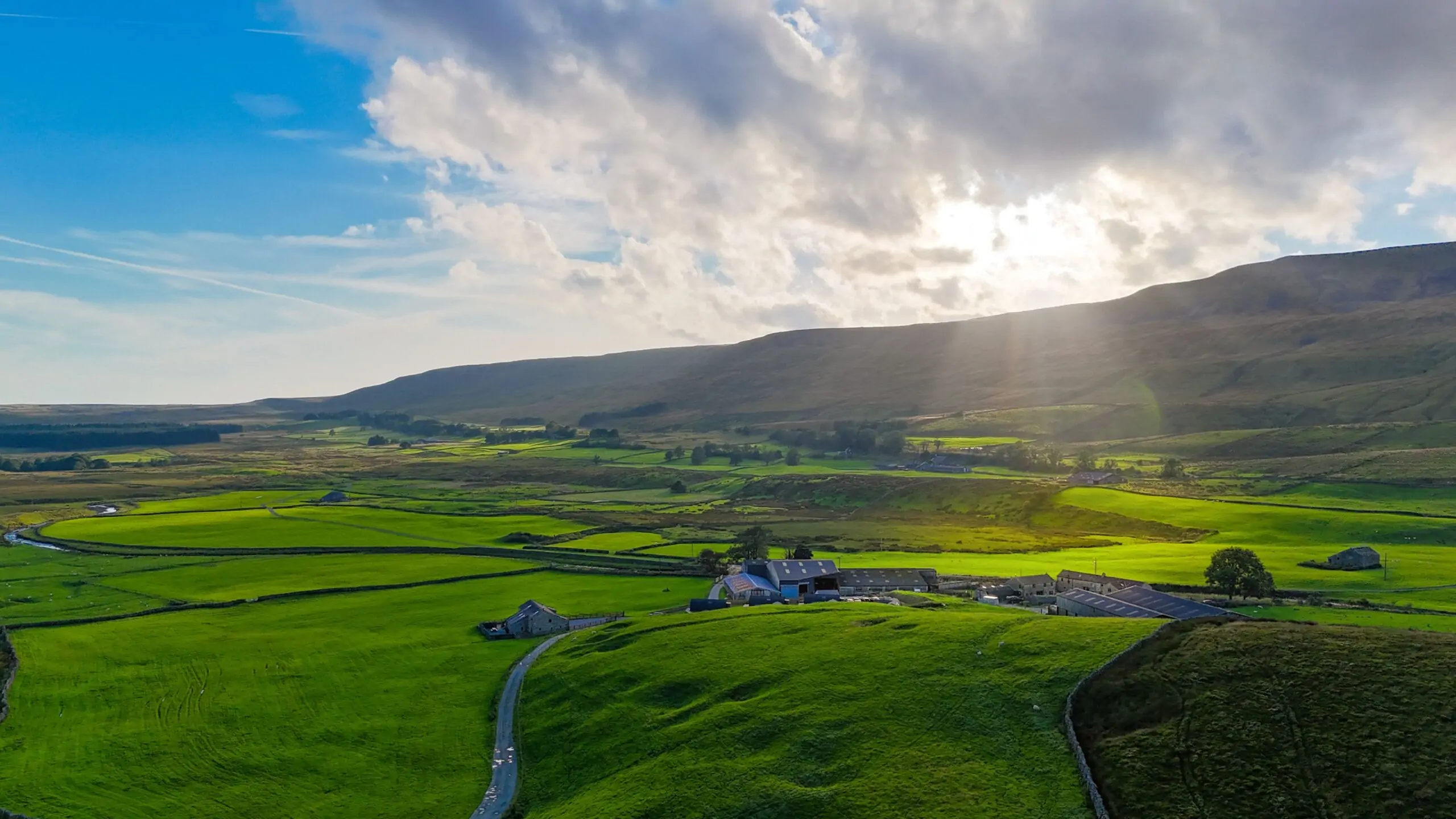
Darrowby is fictional. But the world it represents, the Yorkshire Dales, the farming communities, the unhurried pace of life, is very real. And in an era of relentless noise and complexity, there is something deeply appealing about escaping into a world where the biggest drama of the day is a difficult calving or a stubborn dog.
That is not nostalgia for its own sake. It is a genuine longing for simplicity, community, and connection. And Herriot delivers all three in abundance.
He found a new audience just when he needed one
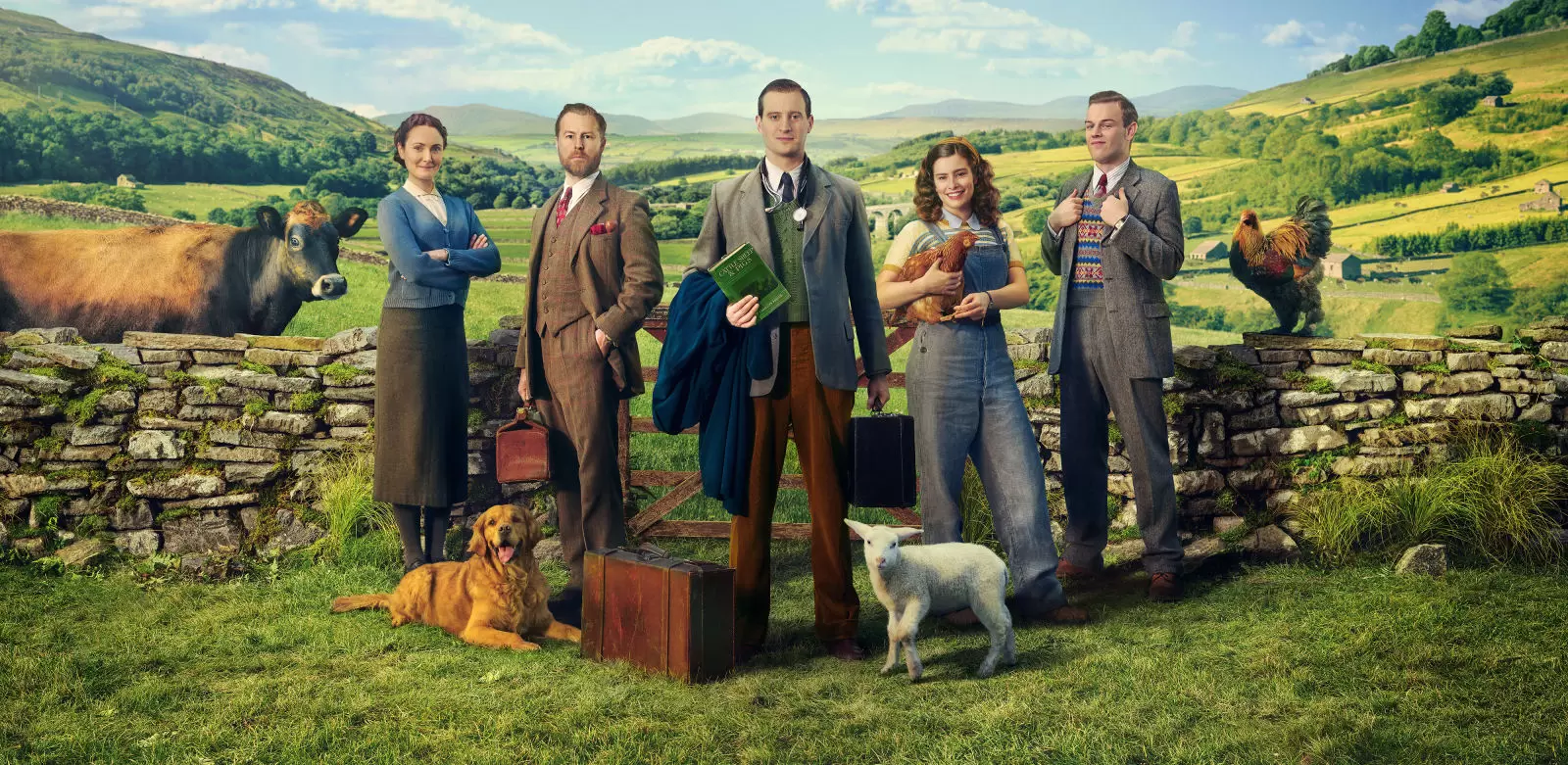
The success of All Creatures Great and Small on Channel 5 and PBS MASTERPIECE has introduced an entirely new generation of viewers to the Herriot world. Many of them have never read the books. Many of them had never heard of Alf Wight before they stumbled across the series on a quiet evening.
But the response has been the same as it always was. People fall for it. They want more. They seek out the books, they plan trips to Yorkshire, and in growing numbers they make their way to Thirsk to see the real thing.
That is not the behaviour of people who have simply enjoyed a television programme. That is the behaviour of people who have found something that means something to them.
Why James Herriot Is Still Popular: A Legacy That Endures
Alf Wight passed away in February 1995. But the world he created and the home he worked in for over fifty years is still very much alive at 23 Kirkgate, Thirsk. The dispensary is still there. The rooms are still there. And the stories, in books and on screens around the world, are still finding new readers and new viewers every single day.
James Herriot is still popular because the things he wrote about, kindness, community, hard work, the natural world, and the quiet pleasures of an ordinary life, never really go out of fashion.
They just wait patiently for people to rediscover them.
Come and discover the real James Herriot in Thirsk
Open seven days a week. Tickets from £5. Book your visit at worldofjamesherriot.com.


